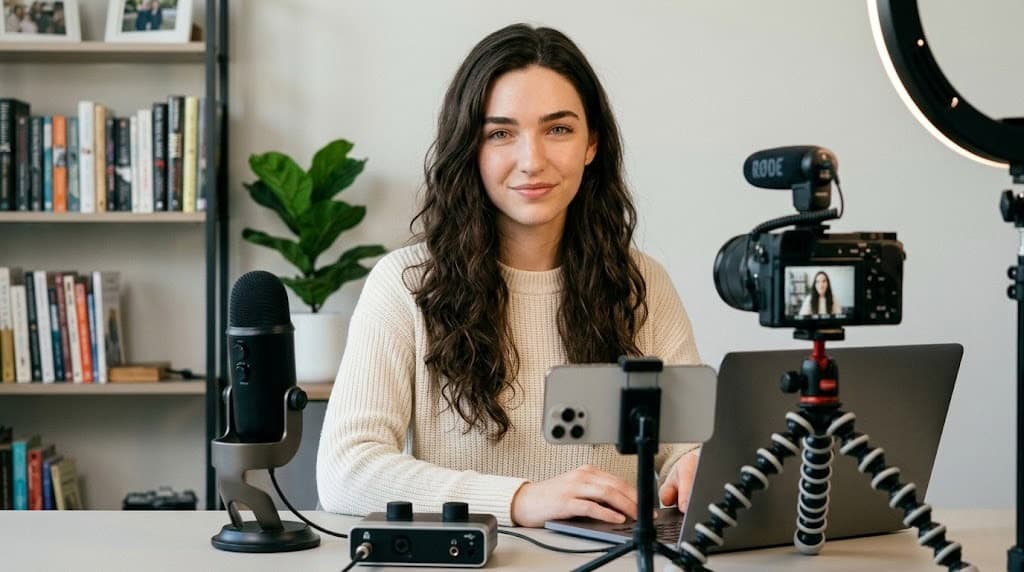
The internet has transformed how we connect, communicate, and consume media. For decades, most people were passive participants online—scrolling feeds, watching videos, reading blogs, and occasionally leaving comments. But something fundamental has shifted. Millions of everyday users are no longer satisfied with simply consuming content. They are picking up cameras, launching channels, starting podcasts, publishing blogs, and even monetizing niche interests.
From cooking tutorials to gaming streams, from fitness coaching to vidéos de porno amateur, user-generated content has reshaped the digital landscape. The line between audience and performer has blurred. The question is no longer why do some people create? but rather why are so many people moving from consumer to creator?
This article explores the psychology, culture, and motivations behind this powerful shift.
The Rise of Creator Culture
The first major factor behind this transformation is the rise of what many call “creator culture.” In the past, media production required access to expensive equipment, gatekeepers, and institutional support. Television networks, publishing houses, and record labels decided whose voice reached the public.
Today, anyone with a smartphone and internet connection can publish content to a global audience.
Accessibility and Low Barriers to Entry
Platforms like YouTube, TikTok, Instagram, Twitch, and subscription-based platforms have democratized media production. You no longer need a studio, an agent, or a production crew. You need an idea and the willingness to hit “upload.”
This accessibility lowers psychological barriers. When people see peers—not celebrities—creating content successfully, it changes what feels possible. Watching someone similar to yourself build an audience creates a powerful internal message: If they can do it, maybe I can too.
Monetization Opportunities
Another key driver of creator culture is financial potential. The creator economy now includes advertising revenue, sponsorships, merchandise, memberships, tips, and subscription models. For some, creating content starts as a hobby but evolves into a side hustle or full-time income.
Even in niches once considered taboo or private—such as amateur adult videos—platforms have enabled individuals to control their own production and earnings. What used to be centralized within large studios has shifted toward independent creators who build direct relationships with audiences.
Money is not the only motivator, but it undeniably adds fuel to the transition from passive viewer to active participant.
The Psychology of Validation and Visibility
Human beings have always sought recognition. Long before social media, we wanted to be seen, heard, and acknowledged. Online platforms amplify this natural psychological drive.
The Need to Be Seen
Psychologists often describe validation as a fundamental emotional need. When someone likes, comments on, or shares your content, it triggers feelings of approval and belonging. These micro-affirmations release dopamine, reinforcing the behavior.
For many, moving from consumer to creator begins with a simple thought: What if people responded to me?
Instead of merely observing other people’s lives, creators step into visibility. They tell their stories. They showcase their talents. They share opinions. They receive feedback in real time.
Visibility becomes empowering.
From Passive Scrolling to Active Contribution
Consuming content can sometimes feel passive or even isolating. Endless scrolling may provide entertainment, but it rarely provides a sense of contribution. Creating, on the other hand, transforms the experience.
When someone posts a tutorial, a dance video, a personal vlog, or even amateur adult videos within consensual and legal platforms, they are participating in the digital ecosystem. They are adding something rather than just absorbing.
Contribution builds identity. It shifts someone’s self-perception from “viewer” to “creator,” which carries a stronger sense of agency.
The Appeal of Authenticity
One of the most compelling reasons people start creating online content is the growing cultural preference for authenticity.
Real Over Perfect
Audiences increasingly gravitate toward content that feels real rather than overly polished. Perfect lighting, scripted dialogue, and corporate branding can feel distant. In contrast, unfiltered storytelling feels relatable.
This is evident across many categories of content:
- Lifestyle vlogs filmed at home
- DIY tutorials with visible mistakes
- Fitness journeys showing setbacks
- Amateur adult videos created by individuals rather than large studios
In each case, viewers often respond to perceived honesty. Imperfections make creators human. And when viewers connect with real people rather than unattainable ideals, trust grows.
Authenticity as Empowerment
For creators, authenticity is liberating. You do not need to perform perfection. You can present yourself as you are—your voice, your body, your perspective, your interests.
This is particularly powerful in communities where people may have previously felt unseen or misrepresented. Creating content becomes an act of reclaiming narrative control.
Instead of being portrayed by institutions or stereotypes, individuals tell their own stories.
How Hobbies Evolve into Self-Expression
Many creators don’t begin with a strategic business plan. They begin with a hobby.
The Natural Evolution of Passion
Someone who loves baking might start by sharing recipes with friends. Over time, they post videos. Those videos gain traction. Feedback encourages improvement. The hobby becomes a channel.
The same progression applies to:
- Gaming
- Fitness
- Makeup artistry
- Comedy
- Photography
- Music
- Personal storytelling
- Relationship advice
- Niche lifestyle communities
What begins as personal interest gradually becomes public expression.
The internet offers an audience for virtually every niche. No passion is too obscure. That availability transforms private enjoyment into shared identity.
Self-Expression in a Digital World
Creating content allows individuals to shape how they are perceived. In daily life, identity is often constrained by geography, profession, or social circles. Online, those boundaries dissolve.
A quiet office worker can become a bold political commentator online. A shy student can become a confident dance instructor. A couple can share intimate relationship dynamics through carefully chosen platforms.
In this way, content creation becomes an exploration of identity. It answers questions like:
- Who am I?
- What do I value?
- How do I want to be seen?
The act of creation itself becomes a form of self-discovery.
Community and Connection
Another powerful motivation behind the shift from consumer to creator is the desire for community.
Shared Interests Create Belonging
When someone creates content around a specific interest, they attract people who share that interest. Over time, comment sections and direct messages turn into conversations. Conversations turn into communities.
This dynamic is visible everywhere—from book clubs on TikTok to fitness communities on Instagram to adult content communities built around niche preferences.
Creators often report that the most rewarding part of their journey is not revenue or fame, but connection.
Two-Way Interaction
Traditional media is one-directional. The audience consumes; the creator performs.
Online platforms create feedback loops. Viewers influence future content. They request topics. They share their own experiences. The relationship becomes interactive.
That two-way dynamic makes content creation feel collaborative rather than isolated.
Control and Creative Freedom
In traditional industries, creators often sacrifice control for exposure. Online platforms reverse that equation.
Ownership of Narrative
Independent creators choose what to share, how to share it, and when. They control branding, tone, pacing, and audience engagement.
This autonomy is attractive. People are drawn to the idea of being their own producer, editor, and publisher.
Even in controversial or sensitive categories—like amateur adult videos—creators often cite autonomy as a primary motivation. Instead of being directed by companies, they define boundaries, consent structures, and creative direction.
Creative freedom fosters confidence.
Technology as an Enabler
The psychological motivations behind content creation would mean little without the technology that enables them.
Tools in Everyone’s Pocket
Smartphones now contain high-quality cameras, editing apps, design tools, and instant publishing capabilities. Artificial intelligence assists with editing, captions, music suggestions, and even scriptwriting.
The gap between professional and amateur production quality has narrowed dramatically.
This technological empowerment reinforces the belief that anyone can create something valuable.
The Shift in Cultural Values
Beyond individual psychology, broader cultural values have changed.
Individual Branding
Modern society increasingly emphasizes personal branding. People curate LinkedIn profiles, Instagram feeds, and online portfolios. Visibility has become a form of currency.
Creating content strengthens that visibility. It builds reputation and authority in specific domains.
Transparency and Openness
Younger generations, in particular, value transparency. Topics once considered private are now openly discussed online—mental health, relationships, financial struggles, sexuality, and more.
As social norms evolve, people feel more comfortable sharing aspects of themselves publicly. This normalization reduces fear and encourages participation.
The Emotional Rewards of Creation
Creating content is not just strategic—it is emotionally fulfilling.
Mastery and Growth
Producing videos, writing blogs, or launching podcasts requires learning new skills. Over time, creators see measurable improvement.
Skill progression fosters pride. Growth reinforces commitment.
Purpose and Impact
When someone comments that a video helped them, taught them something, or made them feel less alone, the creator experiences a sense of purpose.
Purpose is deeply motivating. It often outweighs financial incentives.
The Risks and Realities
While the shift from consumer to creator offers empowerment, it also carries challenges.
- Public criticism
- Burnout
- Privacy concerns
- Pressure to maintain consistency
- Comparison with other creators
Understanding these risks is essential. However, for many, the rewards outweigh the downsides.
Why the Shift Continues
The movement from consumer to creator shows no signs of slowing down.
The infrastructure is in place. The cultural mindset supports it. The psychological rewards reinforce it. The financial opportunities sustain it.
Most importantly, people crave agency.
In a world saturated with media, simply watching is no longer enough for many individuals. They want to participate. They want to contribute. They want to shape narratives instead of just absorbing them.
Whether someone starts a cooking channel, a podcast, a gaming stream, a fitness account, or shares personal lifestyle experiences—including niche forms of user-generated content like amateur adult videos—the underlying motivation often stems from the same place: the desire to be seen, heard, and authentically expressed.
The Future Belongs to Creators
The evolution from consumer to creator represents more than a technological shift. It reflects a psychological and cultural transformation.
People are no longer content with passive observation. They seek validation, connection, autonomy, authenticity, and purpose. Digital platforms offer the tools to meet those needs.
Creator culture is not just a trend—it is a new social structure. It empowers ordinary individuals to become storytellers, educators, entertainers, entrepreneurs, and community leaders.
The internet began as a place to browse information. It has become a stage for self-expression.
And for millions around the world, stepping onto that stage feels not only possible—but inevitable.